

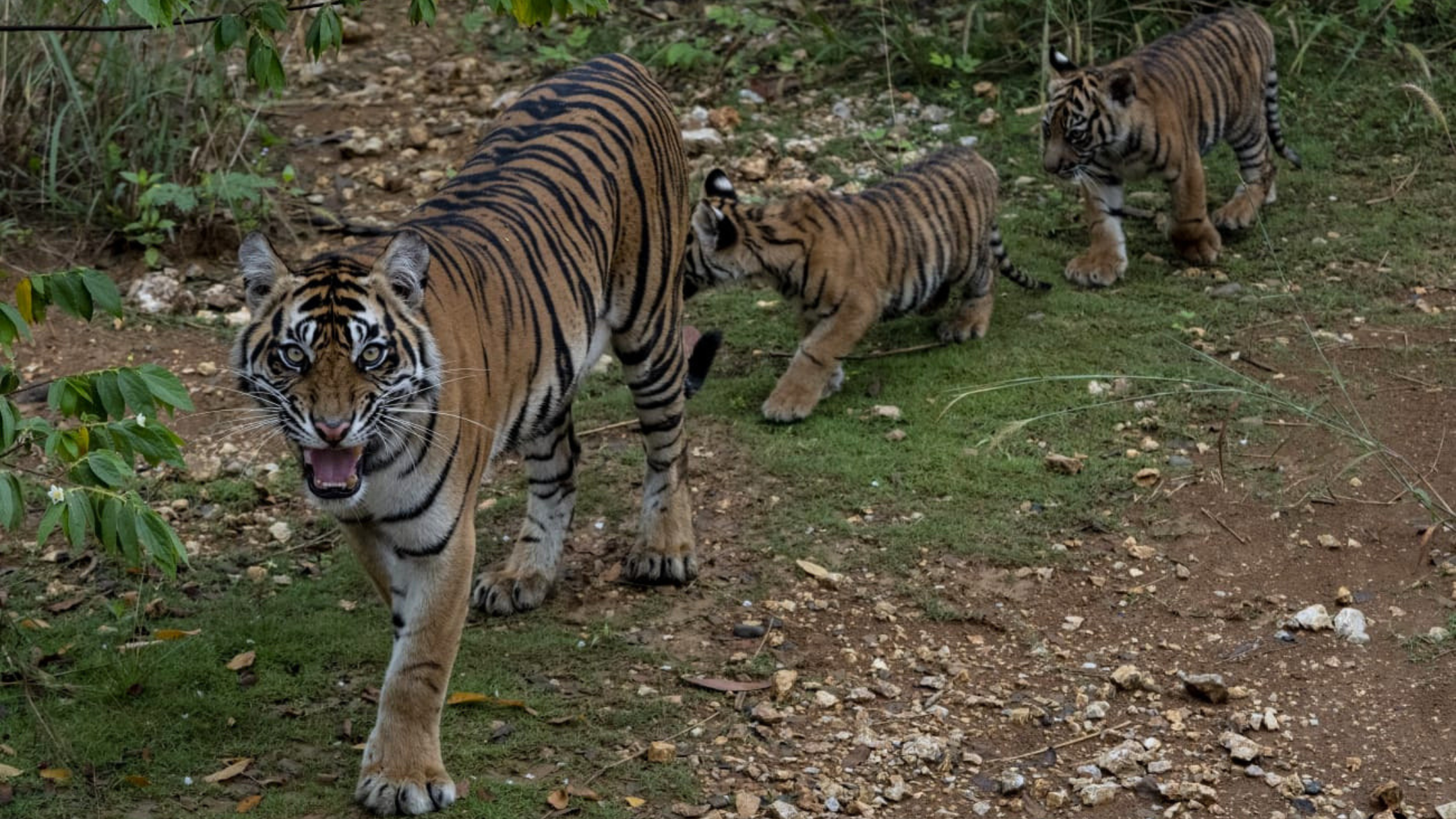
“Not every tiger rescued from the wild will one day return to it. Yet some continue to shape the future of their species in ways just as meaningful. Gadis is one of them.”
Conservation is often measured by the number of animals rescued, rehabilitated, or successfully returned to the wild. Those achievements are undoubtedly important. Yet the future of an endangered species depends on far more than release alone.
It also depends on individuals whose contribution continues beyond the forest.
At Barumun Nagari Wildlife Sanctuary (BNWS) in North Sumatra, one female Sumatran tiger has quietly become part of that story. Her name is Gadis.
Although she will never return to the rainforest where she was born, her life has become an important chapter in Indonesia’s efforts to secure the future of the Sumatran tiger (Panthera tigris sumatrae), the last surviving tiger subspecies in the country and one of the world’s most critically endangered big cats.
A Second Chance
Gadis entered the conservation programme in late 2016 after being rescued from a poacher’s snare near Batang Gadis National Park in Mandailing Natal, North Sumatra.
The wire snare had caused severe injuries to one of her forelimbs. Like many tigers caught in illegal traps, every attempt to free herself only tightened the wire further, causing extensive tissue damage and increasing the risk of infection. She survived because she was found in time.
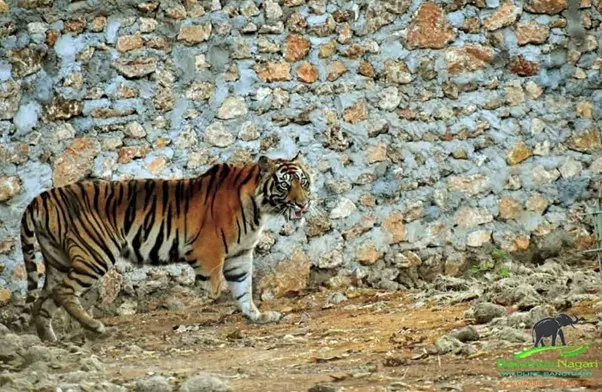
Following her rescue, Gadis underwent months of intensive veterinary treatment and rehabilitation. Her injuries gradually healed, and her physical condition improved significantly. However, successful rehabilitation is not determined solely by whether an injury heals.
Before any rescued tiger is considered for release, conservation specialists evaluate its ability to survive independently in the wild. A tiger must be capable of hunting efficiently, defending its territory, avoiding unnecessary conflict with other tigers, and adapting to the complex challenges of a natural ecosystem.
After careful assessment, Gadis was determined to no longer possess the necessary conditions for a successful return to the wild. For many animals, such a decision might appear to mark the end of their story.
For Gadis, it marked the beginning of a new one.
A Different Role in Conservation
Barumun Nagari Wildlife Sanctuary was never created to replace the forest. Its primary purpose is to provide professional care and rehabilitation for rescued wildlife while supporting broader conservation efforts for the Sumatran tiger. Within that mission, some individuals become candidates for future release.
Others, because of permanent injuries or other limitations, remain under lifelong professional care. Gadis belongs to the latter group. Yet remaining at the sanctuary has never meant becoming less important.
Instead, she has become one of the sanctuary’s most valuable contributors to long-term conservation. Through science-based management, carefully planned breeding programmes, and continuous veterinary care, Gadis now plays a vital role in safeguarding the future genetic diversity of her species.
The Beginning of a New Generation
At Barumun, Gadis was paired with Monang, another rescued Sumatran tiger whose own chance of returning to the wild had been lost after surviving a poacher’s snare. Together, they became the founders of a new generation.
In December 2018, Gadis gave birth to her first litter, Citra Kartini and Surya Manggala. Their birth represented a major milestone for Barumun Nagari Wildlife Sanctuary.
For the first time, cubs born at the sanctuary would be raised with the long-term goal of returning to the wild. After more than three years of rehabilitation and behavioural preparation, both tigers were successfully released into Kerinci Seblat National Park in June 2022.
Although their journeys in the wild ended sooner than conservationists had hoped, the experience provided invaluable knowledge that continues to strengthen rehabilitation protocols, post-release monitoring, and adaptive management strategies for future releases. Gadis continued to contribute.
In January 2022, she gave birth to Bisma and Albanta, followed by another litter in January 2025, Nunuk and Ninik.
Today, Gadis is the mother of six Sumatran tiger cubs, each representing another step in the long-term effort to secure the future of one of the world’s rarest tiger subspecies.
More Than Motherhood
Every cub born at the sanctuary represents years of preparation.
Behind each successful birth are genetic management, veterinary expertise, behavioural monitoring, husbandry planning, and close collaboration among wildlife keepers, veterinarians, researchers, universities, government agencies, and conservation partners.
Every new generation strengthens more than population numbers. It helps preserve valuable genetic diversity. It expands scientific understanding of tiger reproduction and maternal care. It provides new opportunities to refine conservation management for future generations.
Through Gadis, this knowledge continues to grow. Her contribution extends far beyond the cubs she has raised. She has become part of a living programme that continuously improves how conservation is practiced.
Another Face of Conservation
Not every rescued tiger will one day walk freely through the rainforest again. But conservation has never been measured solely by successful releases. It is equally defined by those individuals whose lives continue to create opportunities for others.
Gadis reminds us that protecting a species requires many different roles. Some tigers help restore wild populations. Others help expand scientific knowledge.
Some become ambassadors for conservation. And some, like Gadis, help ensure that future generations continue to exist. Each role is equally important. Each contributes to the same goal.
A Story Still Being Written
Today, Gadis continues to live at Barumun Nagari Wildlife Sanctuary. To visitors, she may simply appear to be another tiger under professional care. Yet behind her quiet presence lies a remarkable conservation story.
Her six cubs represent far more than a family lineage. They represent resilience. They represent continuity. Most importantly, they represent hope.
Hope that future generations of Sumatran tigers will continue to thrive. Hope that science, collaboration, and long-term commitment can help secure the survival of a species facing immense challenges. Hope that every rescued tiger, regardless of whether it returns to the forest, still has the potential to make a lasting contribution.
Ultimately, the future of the Sumatran tiger will never depend on a single rescue, a single sanctuary, or a single individual.
It will be shaped by countless people working together, by decades of scientific learning, by protected forests, by stronger conservation partnerships and by every new generation given the opportunity to exist.
Gadis has become an integral part of that future. Not because she returned to the wild, but because through her life, she continues to ensure that hope for the Sumatran tiger never stops growing.

Article supported by:
The Wildlife Whisperer of Sumatra | #EXTINCTIONISNOTANOPTION