
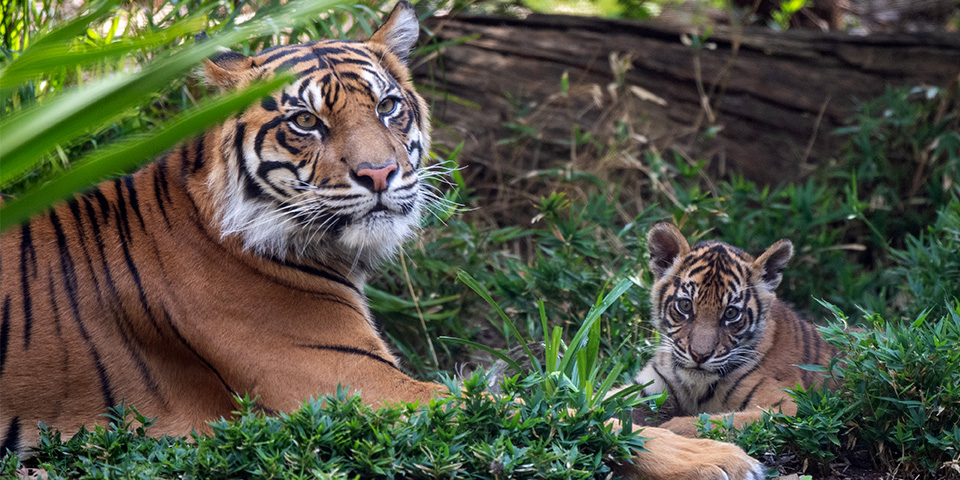
Sebuah kisah tentang rumah yang hilang, kebebasan yang dirampas, dan harapan untuk kembali ke tempat yang seharusnya mereka miliki.
“Tidak ada harimau yang dilahirkan untuk hidup di balik pagar. Tidak ada harimau yang memilih meninggalkan hutannya. Ketika seekor harimau ditemukan di kebun warga, terjerat di pinggir hutan, atau harus menjalani hidup di sanctuary, sering kali yang sedang kita lihat bukanlah pilihan seekor harimau. Yang kita lihat adalah akibat dari perubahan yang terjadi pada rumahnya.”
Di berbagai wilayah Sumatera, berita tentang Harimau Sumatera yang memasuki kebun, mendekati permukiman, memangsa ternak, atau terjerat di kawasan hutan masih terus bermunculan. Tidak jarang masyarakat kemudian melihat harimau sebagai ancaman yang harus dijauhkan.
Namun pernahkah kita mencoba melihat peristiwa tersebut dari sudut pandang harimau?
Bagaimana jika suatu hari seluruh jalan yang biasa kita lalui tiba-tiba berubah menjadi tembok? Bagaimana jika rumah tempat kita dibesarkan perlahan menghilang? Bagaimana jika makanan semakin sulit ditemukan, sementara ruang untuk hidup semakin sempit?
Bagi Harimau Sumatera, itulah kenyataan yang sedang mereka hadapi.
Bagi manusia, rumah adalah tempat untuk beristirahat, berkumpul dengan keluarga, dan merasa aman. Bagi harimau, hutan adalah lebih dari sekadar rumah.
Hutan adalah tempat berburu. Tempat membesarkan anak. Tempat berlindung. Tempat menandai wilayah. Tempat mencari pasangan. Tempat menjalani seluruh siklus kehidupannya.
Seekor Harimau Sumatera membutuhkan wilayah jelajah yang luas untuk bertahan hidup. Dalam kawasan yang sehat, harimau dapat menjelajahi puluhan hingga ratusan kilometer persegi untuk mencari mangsa dan mempertahankan teritorinya.
Di dalam hutan, harimau mengenal setiap jalur yang dilaluinya. Ia mengetahui lokasi sumber air. Ia memahami pergerakan mangsanya. Ia mengenali suara hutan yang menjadi bagian dari kehidupannya sejak lahir.
Ketika hutan itu hilang atau terfragmentasi, harimau tidak hanya kehilangan ruang. Ia kehilangan sistem kehidupan yang selama ribuan tahun membentuk keberadaannya.
Salah satu kesalahpahaman terbesar dalam konflik manusia dan harimau adalah anggapan bahwa harimau “masuk” ke wilayah manusia. Padahal dalam banyak kasus, justru manusia yang terlebih dahulu mengubah lanskap yang sebelumnya merupakan habitat harimau.
Hutan dibuka untuk perkebunan. Jalan dibangun membelah bentang alam. Kawasan yang dahulu menjadi jalur pergerakan satwa berubah menjadi permukiman, tambang, atau area produksi.
Akibatnya, habitat yang sebelumnya terhubung menjadi terpecah-pecah. Bagi manusia, perubahan tersebut mungkin tampak sebagai pembangunan. Namun bagi seekor harimau, perubahan itu dapat berarti hilangnya jalur berburu, hilangnya akses menuju sumber air, dan hilangnya konektivitas antar wilayah yang selama ini menjadi bagian dari kehidupannya.
Ketika mangsa semakin berkurang dan ruang gerak semakin sempit, harimau sering kali tidak memiliki banyak pilihan. Mereka bergerak lebih jauh. Mereka memasuki area yang sebelumnya tidak pernah mereka datangi. Dan terkadang, perjalanan itu membawa mereka ke dekat manusia.
Di antara berbagai ancaman yang dihadapi Harimau Sumatera, jerat merupakan salah satu yang paling mematikan. Sebagian jerat dipasang untuk babi hutan atau satwa lain. Namun di hutan, jerat tidak memilih korbannya.
Ketika seekor harimau menginjak jerat, kawat baja akan mengencang mengikuti setiap gerakan yang dilakukan. Semakin harimau berusaha melepaskan diri, semakin dalam luka yang terbentuk.
Dalam banyak kasus, luka tersebut menyebabkan infeksi serius, kerusakan jaringan, bahkan amputasi alami akibat terputusnya aliran darah. Beberapa harimau ditemukan setelah berhari-hari terjebak. Sebagian berhasil diselamatkan. Sebagian lainnya tidak pernah sempat ditemukan hidup.
Bagi seekor predator puncak yang bergantung pada kecepatan, kekuatan, dan kemampuan berburu, kehilangan fungsi kaki bukan hanya cedera fisik. Itu bisa berarti kehilangan kemampuan untuk bertahan hidup.
Ketika seekor harimau yang terluka berhasil diselamatkan, banyak orang menganggap masalahnya telah selesai. Padahal bagi harimau, perjalanan yang sesungguhnya baru dimulai.
Harimau yang mengalami cedera serius sering kali tidak lagi mampu bertahan hidup di alam liar. Mereka mungkin kehilangan kemampuan berburu. Mereka mungkin tidak lagi mampu mempertahankan wilayahnya. Mereka mungkin tidak dapat menghindari konflik dengan harimau lain.
Dalam kondisi seperti ini, sebagian harimau harus menjalani hidup di sanctuary atau pusat rehabilitasi satwa. Dari sudut pandang manusia, sanctuary adalah tempat perlindungan. Dan memang demikian.
Sanctuary memberikan makanan, perawatan medis, keamanan, serta kesempatan hidup yang mungkin tidak lagi dimiliki satwa tersebut di alam. Namun penting untuk diingat bahwa sanctuary tetap bukan hutan.
Harimau adalah satwa liar. Tubuh, insting, dan perilakunya berevolusi selama ribuan tahun untuk hidup di alam bebas. Meskipun sanctuary berusaha memberikan kualitas hidup terbaik, terdapat banyak hal yang tidak dapat sepenuhnya digantikan.
Seekor harimau liar terbiasa menentukan jalannya sendiri. Ia memilih ke mana akan berjalan. Ia memilih kapan berburu. Ia menentukan wilayah yang ingin dipertahankan. Di alam, setiap hari menghadirkan tantangan baru yang merangsang perilaku alami mereka.
Di dalam kandang, sebagian kebebasan tersebut tidak lagi tersedia. Karena itu, keeper dan tim sanctuary harus bekerja keras menyediakan enrichment atau pengayaan lingkungan untuk membantu menjaga kesehatan fisik dan mental satwa.
Bola aroma, pakan tersembunyi, jalur eksplorasi, permainan berbasis insting berburu, hingga variasi lingkungan merupakan bagian penting dalam menjaga kesejahteraan harimau yang tidak lagi dapat hidup bebas di alam.
Namun pada akhirnya, tidak ada enrichment yang benar-benar dapat menggantikan sebuah hutan.
Bagi sebagian harimau, rehabilitasi memberikan harapan. Apabila kondisi fisik memungkinkan, perilaku alami masih terjaga, dan habitat yang aman tersedia, pelepasliaran dapat menjadi pilihan.
Namun pelepasliaran bukanlah proses yang sederhana. Seekor harimau harus mampu berburu sendiri. Harus mampu menghindari manusia. Harus mampu beradaptasi dengan lingkungan baru. Dan yang terpenting, harus memiliki habitat yang masih mampu mendukung kehidupannya.
Inilah mengapa penyelamatan harimau tidak pernah cukup hanya dengan menyelamatkan individunya. Kita juga harus menyelamatkan hutannya. Karena tidak ada tempat untuk kembali jika rumah itu sudah hilang.
Ketika melihat seekor Harimau Sumatera di sanctuary, banyak orang melihat kisah penyelamatan. Dan memang, itu adalah kisah penyelamatan. Namun ada lapisan cerita lain yang sering terlupakan.
Di balik setiap harimau yang hidup di sanctuary, sering kali terdapat kisah tentang hutan yang hilang. Tentang koridor satwa yang terputus. Tentang jerat yang tidak pernah dicabut. Tentang konflik yang tidak pernah diselesaikan. Tentang ruang hidup yang semakin menyempit.
Sanctuary menjadi tempat perlindungan terakhir bagi individu yang tidak lagi dapat bertahan di alam. Namun sanctuary tidak pernah dimaksudkan untuk menjadi masa depan seluruh Harimau Sumatera.
Masa depan mereka tetap berada di hutan.
Hari ini, Harimau Sumatera adalah satu-satunya subspesies harimau yang masih tersisa di Indonesia. Mereka adalah penjaga terakhir hutan-hutan Sumatera. Namun mereka tidak dapat bertahan hanya dengan belas kasihan manusia.
Mereka membutuhkan hutan yang utuh. Mereka membutuhkan mangsa yang cukup. Mereka membutuhkan koridor yang terhubung. Mereka membutuhkan perlindungan dari jerat dan perburuan. Dan yang terpenting, mereka membutuhkan ruang untuk tetap menjadi harimau.
Karena pada akhirnya, tujuan konservasi bukanlah membuat lebih banyak harimau hidup di kandang. Tujuan konservasi adalah memastikan semakin sedikit harimau yang terpaksa meninggalkan hutannya.
Sebab tidak ada harimau yang memilih hidup di balik pagar. Tidak ada harimau yang memilih kehilangan rumahnya. Dan tidak ada harimau yang memilih meninggalkan hutan yang telah menjadi bagian dari dirinya sejak lahir.
Jika kita benar-benar ingin menyelamatkan Harimau Sumatera, maka yang harus kita selamatkan bukan hanya harimaunya. Kita harus menyelamatkan hutannya,
jalur pergerakannya, mangsanya, dan seluruh ekosistem yang memungkinkan mereka tetap hidup bebas sebagaimana mestinya.
Karena bagi seekor harimau, kebebasan bukanlah kemewahan. Kebebasan adalah kehidupan itu sendiri.

Artikel didukung oleh: